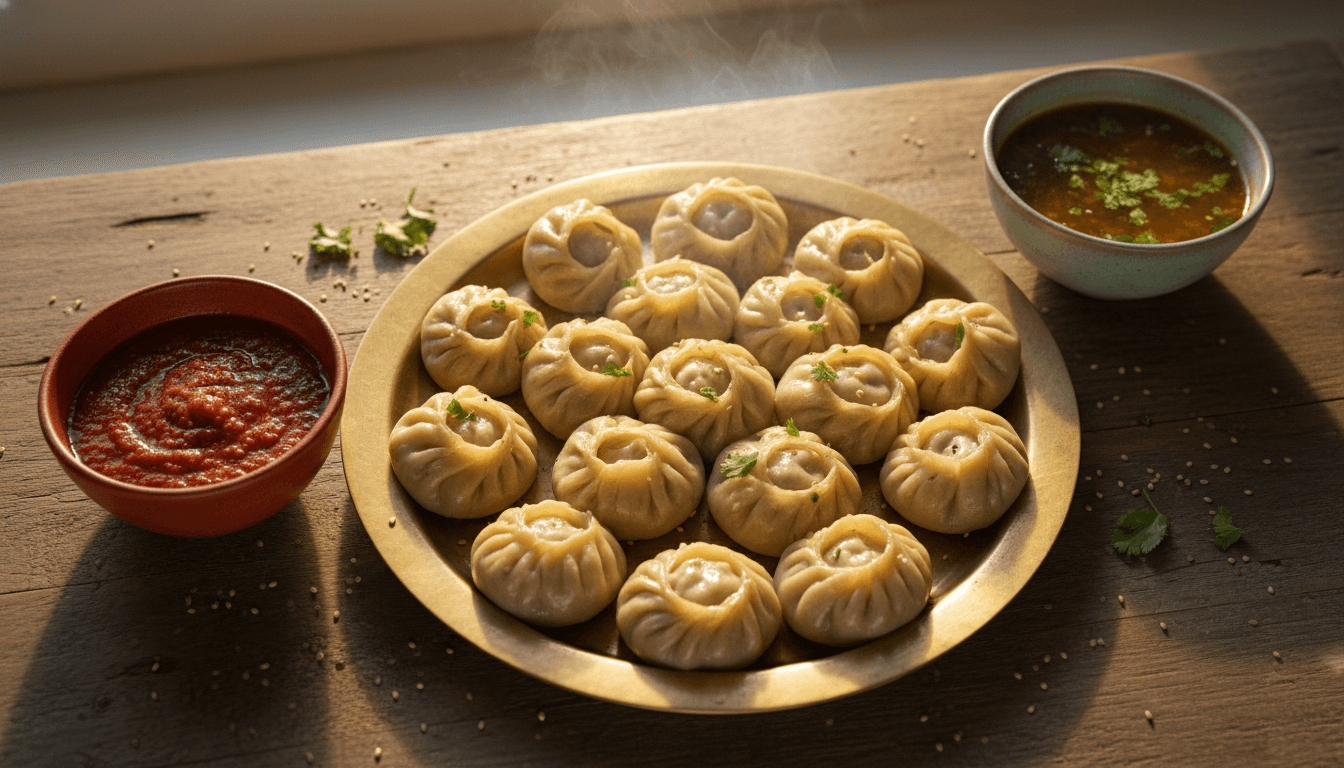
Thakali Momo House in Pokhara was already getting 30–40 delivery orders a day before Vinoraam. They had a Khalti QR taped to the cash counter and a WhatsApp Business number that rang constantly. The problem was not orders — it was tracking them.
"Half the time I'd forget which customer had paid and which one was still waiting. I'd send momos to people who hadn't paid, and miss orders from people who had." — Arjun Tamang, owner
Three months after switching to Vinoraam, their repeat-order rate tripled. The fix was not flashy — it was just structure.
The structural problem
Arjun's WhatsApp inbox had two kinds of messages, mixed together:
- New orders ("2 plates buff momo, please send to Lakeside")
- Conversation about old orders ("is my order ready?", "can I change the address?", "I sent payment screenshot")
A typical hour might bring 20 messages, of which 8 were new orders and 12 were follow-ups about previous orders. Keeping track of which was which, without writing anything down, became impossible past about 15 orders a day.
The new workflow
Vinoraam's WhatsApp checkout sends customers a link instead of asking them to negotiate the order via chat. The customer clicks the link, picks the items, pays, and gets a confirmation message with a 6-digit pickup code.
Arjun's WhatsApp inbox now contains almost exclusively follow-up messages — and each one references a specific pickup code, so he knows exactly which order they're asking about.
His new mornings look like this:
- 9:00 AM: Open dashboard, see overnight orders sorted by pickup time
- 9:15 AM: Start cooking based on the order list, not the inbox
- 11:30 AM: Mark each order "ready"; customers get an auto-message with pickup-or-delivery details
- 1:00 PM: Inbox is for special requests only, not for confirming basic order info
The repeat-rate change
Before Vinoraam, about 12% of Thakali Momo's customers ordered a second time. Three months in, that number is 38%.
The increase isn't because the momos got better — they're the same recipe. It's because every order now ends with a one-tap reorder button in WhatsApp:
"Tap below to reorder your last meal: 2× buff momo, 1× sukuti, 1× chiya."
Customers who used to forget about the restaurant for weeks now order again the next week. Arjun says about a third of those reorders are unprompted — the customer remembered, opened the previous WhatsApp thread, and tapped the button without him doing anything.
The number that surprised him
Average order value also went up — from NPR 480 to NPR 620. Arjun thought that was a fluke at first. It wasn't. When customers see the full menu in a structured catalog instead of asking "what do you have?", they tend to add a chai or a side.
The menu didn't change. The presentation did. That alone was worth NPR 140 per order, every single order.